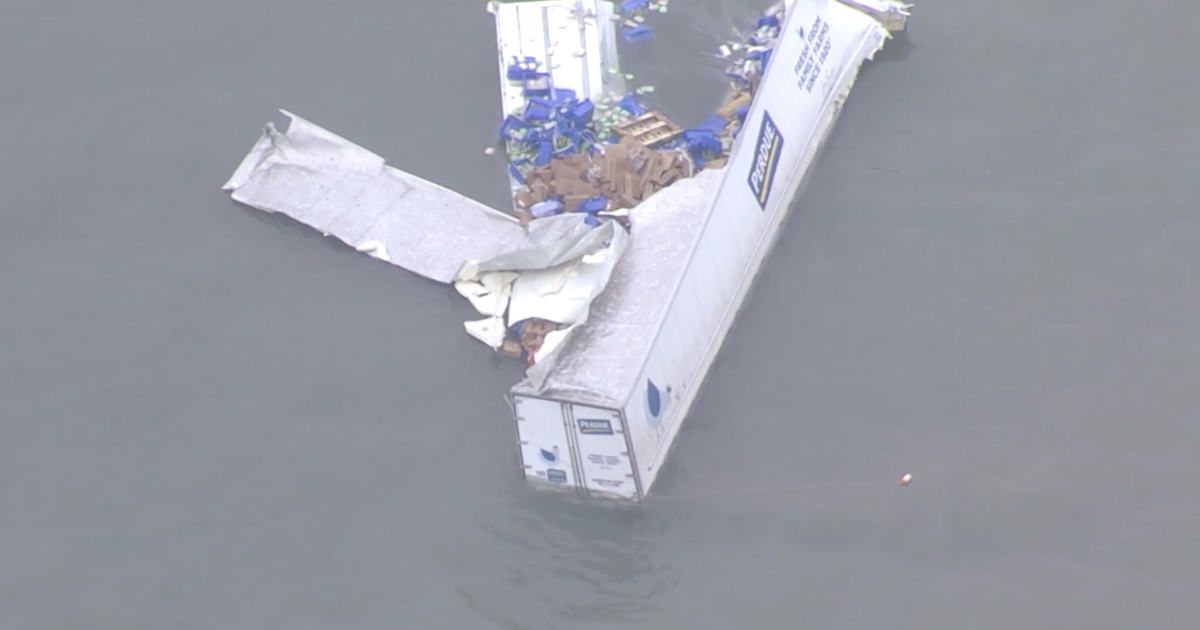
Update: Perdue Truck Driver Identified in Chesapeake Bridge Plunge
In a development that has captivated the attention of Maryland residents and transportation safety advocates alike, authorities have officially identified the driver of the Perdue Farms truck that tragically plunged off the Chesapeake Bay Bridge. The harrowing incident, which occurred on the eastbound span of the iconic Governor William Preston Lane Jr. Memorial Bridge, sent shockwaves through the region and prompted an immediate, multi-agency emergency response. The identification of the driver marks a crucial step in understanding the full scope of the
Bay Bridge accident and providing some closure to those impacted by the dramatic event.
Early on the morning of May 15, 2024, at approximately 4:30 AM, a refrigerated truck bearing the Perdue Farms logo veered off the bridge's eastbound span, plummeting an estimated 185 feet into the frigid waters of the Chesapeake Bay. The scene immediately triggered a massive search and rescue operation involving the U.S. Coast Guard, Maryland Transportation Authority (MDTA) Police, Maryland State Police, and local fire and rescue units. The rapid identification of the driver underscores the efficiency and dedication of these emergency services in the face of such a perilous situation.
The Incident and Heroic Rescue Efforts
The sheer scale and dramatic nature of the truck's plunge into the Chesapeake Bay left many wondering about the driver's fate. Reports from the scene indicated that the commercial vehicle broke through the concrete barrier, creating a terrifying void before its descent. Witnesses described a chilling spectacle, with some drivers immediately pulling over to call 911. The MDTA Police quickly secured the area, while marine units raced to the last known location of the submerged vehicle.
Remarkably, within minutes of the crash, the driver was spotted in the water, clinging to debris. A nearby recreational boater, identified as Sarah Jenkins, who was heading out for an early fishing trip, witnessed the splash and immediately diverted her course towards the scene. Displaying extraordinary courage and quick thinking, Ms. Jenkins managed to pull the severely injured and hypothermic driver from the water onto her vessel. This heroic act undoubtedly saved the driver's life, as official rescue teams were still en route.
Upon the arrival of the Coast Guard and other emergency responders, the driver was safely transferred from Ms. Jenkins' boat and swiftly transported to the University of Maryland Shock Trauma Center in Baltimore. Initial medical reports indicated the driver suffered from severe hypothermia, multiple fractures, and internal injuries, but was in stable condition thanks to the rapid rescue and expert medical attention. This incident serves as a powerful reminder of the vital role that ordinary citizens can play in critical emergencies, often bridging the gap before professional responders can arrive.
Unveiling the Driver's Identity and Company Response
Authorities have confirmed the driver's identity as
Johnathan 'Johnny' Davis, a 48-year-old resident of Salisbury, Maryland. Mr. Davis, a veteran truck driver with over two decades of experience, has been employed by Perdue Farms for the past seven years. His identification has provided a focal point for the ongoing investigation and offers a face to the harrowing ordeal.
Perdue Farms, a prominent agricultural company based in Salisbury, Maryland, swiftly released a statement following the incident. "Our immediate thoughts and prayers are with Johnny Davis and his family during this incredibly difficult time," read the statement from Perdue's CEO. "We are relieved to learn of his rescue and are closely monitoring his recovery. Perdue Farms is fully cooperating with all investigating authorities to understand the circumstances surrounding this tragic
Perdue truck driver plunges off Chesapeake Bay Bridge incident. The safety and well-being of our associates and the public remain our top priority."
The company also confirmed that Mr. Davis had undergone all required safety training and vehicle inspections were up to date. This commitment to transparency and cooperation is crucial as investigators piece together the events that led to the plunge. The trucking community, particularly in Maryland, has expressed an outpouring of support for Mr. Davis and his family, highlighting the inherent risks faced by commercial drivers on a daily basis.
Investigating the Causes: What Led to the Plunge?
The central question on everyone's mind is: What caused the Perdue truck to plunge off the Chesapeake Bay Bridge? The MDTA Police, in collaboration with the National Transportation Safety Board (NTSB) and other state agencies, have launched a comprehensive investigation to determine the contributing factors. Such investigations are complex and meticulous, examining every possible angle.
Several potential causes are typically considered in such high-profile commercial vehicle accidents:
- Mechanical Failure: Investigators will thoroughly inspect the truck's wreckage for any signs of brake failure, steering malfunction, or tire blowout. Event data recorders (EDRs), often referred to as "black boxes," from the commercial vehicle will be crucial in providing data on speed, braking, and other operational parameters leading up to the incident.
- Driver Error: While Mr. Davis is an experienced driver, factors such as momentary distraction, sudden evasive action, or even a medical emergency at the wheel cannot be ruled out without a full investigation. Interviews with Mr. Davis, once his condition permits, will be vital.
- Environmental Factors: Although weather reports indicated clear skies at the time of the incident, investigators will review wind conditions on the bridge. The Chesapeake Bay Bridge is known for experiencing significant crosswinds, which can particularly affect high-profile vehicles like tractor-trailers.
- Road Conditions/Infrastructure: While the Bay Bridge is regularly inspected and maintained, the investigation will also consider any potential issues with the road surface, barriers, or signage that might have contributed.
The investigation will involve detailed analysis of forensic evidence from the crash site, review of surveillance footage (if available), and interviews with witnesses and emergency personnel. The NTSB's involvement underscores the severity of the incident and its potential implications for commercial vehicle safety on critical infrastructure like the Bay Bridge. The findings of this investigation will be critical not only for this specific case but also for informing future safety measures.
Navigating the Chesapeake Bay Bridge Safely: Tips for Drivers
The Chesapeake Bay Bridge is a marvel of engineering, but its unique characteristics also present specific challenges for drivers, particularly those operating commercial vehicles. The recent
Bay Bridge accident serves as a stark reminder of the importance of vigilance and adherence to safety protocols when traversing this iconic structure. Here are some essential tips for safe passage:
- Monitor Weather Conditions Closely: Before embarking on a trip across the bridge, especially in a large vehicle, always check local weather forecasts. High winds, heavy rain, snow, or fog can significantly reduce visibility and control. The MDTA often issues wind advisories or even restrictions for certain vehicle types during severe weather.
- Maintain Appropriate Speed: Observe the posted speed limits, and consider reducing your speed even further during adverse conditions or heavy traffic. Excessive speed significantly reduces reaction time and increases the severity of any potential incident.
- Stay in Your Lane: With narrow lanes and often no shoulders, lane discipline is paramount. Avoid sudden lane changes, and maintain a safe following distance from the vehicle ahead. This is especially crucial for commercial trucks, which require more space to maneuver and stop.
- Vehicle Maintenance is Key: Ensure your vehicle, particularly a commercial truck, is in excellent working order. Regular checks of brakes, tires, steering, and lights are not just good practice, they are critical for preventing mechanical failures that could have catastrophic consequences.
- Be Aware of Heights and Crosswinds: The bridge's significant height and exposure make it susceptible to strong crosswinds. Drivers of high-profile vehicles should be acutely aware of this and be prepared to adjust their steering to maintain control.
- Avoid Distractions: Put away your phone, avoid eating, and focus entirely on the road. Even a momentary lapse in attention can have dire consequences on a structure like the Bay Bridge.
- Plan Your Trip: If you are nervous about crossing the bridge, particularly with an oversized vehicle or during challenging conditions, consider alternative routes or scheduling your crossing during off-peak hours when traffic is lighter.
Understanding the unique environment of the Chesapeake Bay Bridge and proactively taking safety measures can significantly reduce the risk of accidents and ensure a safer journey for everyone.
The identification of Johnathan Davis as the driver involved in the Chesapeake Bay Bridge plunge brings a human face to what was a terrifying incident. While the investigation into the exact cause continues, the prompt response from emergency services and the heroic actions of a private citizen ensured a remarkable rescue. This event serves as a somber reminder of the inherent dangers faced by professional drivers and underscores the critical importance of rigorous safety protocols, vigilant driving practices, and robust infrastructure maintenance. As Mr. Davis recovers, the community awaits the full findings of the investigation, hoping that valuable lessons can be learned to prevent future tragedies on our nation's vital transportation arteries.