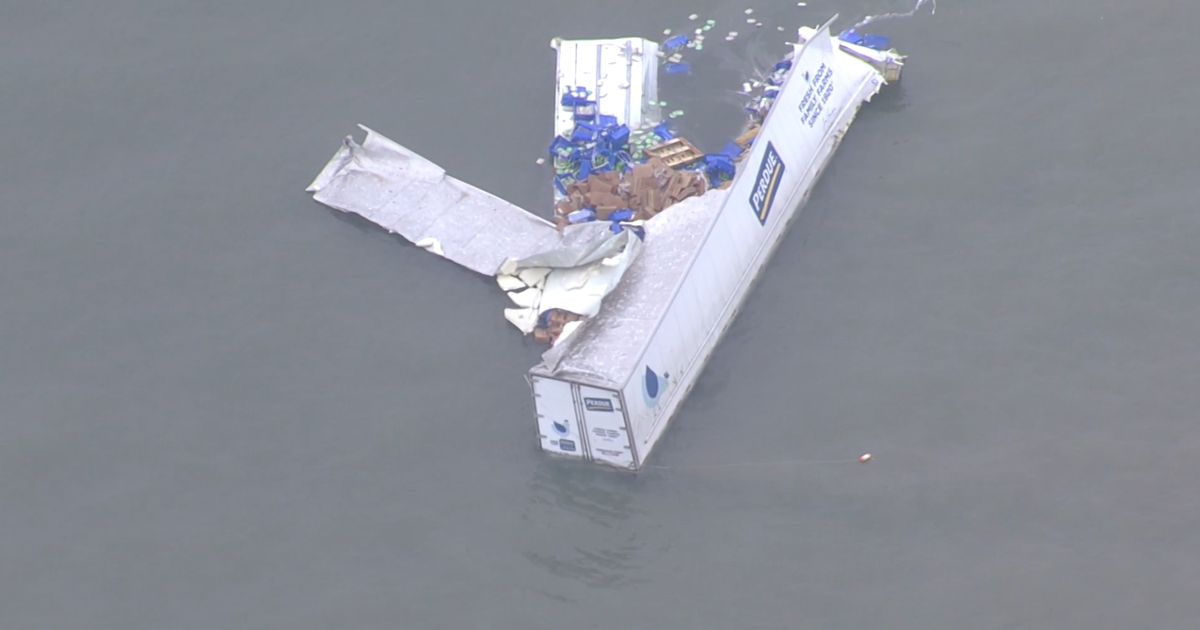
Bay Bridge Accident: Unpacking the Perils and Prevention After a Commercial Vehicle Plunge
The news of a commercial truck plunging from a major bridge, leading to the identification of the driver, sends immediate shockwaves through communities. Such a
Chesapeake Bridge plunge, involving a Perdue driver and drawing the attention of countless citizens and authorities, underscores the inherent risks associated with operating large vehicles on vital infrastructure like the Chesapeake Bay Bridge. While the initial focus is often on the immediate aftermath and the individuals involved, these incidents prompt a deeper examination of bridge safety, commercial vehicle operations, and the comprehensive investigative processes that follow. Understanding the intricacies of such an event, from the challenges faced by drivers to the meticulous efforts of accident reconstructionists, is crucial for preventing future tragedies and enhancing overall road safety.
Understanding the Peril: Challenges of Bridge Driving for Commercial Vehicles
Driving a commercial vehicle, especially a fully loaded tractor-trailer, across long and elevated structures like the Chesapeake Bay Bridge, presents a unique set of challenges that can significantly increase the risk of a Bay Bridge accident. These challenges are multifaceted, encompassing environmental factors, vehicle dynamics, and human elements.
- Environmental Factors:
- Wind Gusts: Bridges, particularly those spanning wide bodies of water, are notoriously exposed to strong crosswinds. For a high-profile vehicle like a semi-truck, these gusts can act like sails, making the vehicle difficult to control and potentially pushing it towards barriers or opposing traffic. The Chesapeake Bay Bridge, known for its exposure, frequently issues wind advisories for large vehicles.
- Weather Conditions: Rain, fog, ice, and snow can drastically reduce visibility and traction on bridge decks. The combination of slick surfaces and high winds creates an extremely hazardous environment, demanding exceptional caution from drivers.
- Visibility: Long stretches of road with limited exits and potential for glare from water or sun can contribute to driver fatigue and reduced situational awareness.
- Vehicle Dynamics:
- Weight and Size: The sheer mass and dimensions of commercial trucks mean they require longer stopping distances and have different handling characteristics compared to passenger vehicles. A sudden maneuver on a bridge, perhaps to avoid an obstacle, can have far more severe consequences.
- Load Shifting: Improperly secured or unevenly distributed cargo can shift during transit, particularly when cornering or encountering bumps. This can destabilize the truck and lead to loss of control, a critical factor in any potential Perdue truck driver plunges off Chesapeake Bay Bridge scenario.
- Mechanical Issues: While rigorous inspections are mandated, mechanical failures – such as tire blowouts, brake malfunctions, or steering system issues – can occur unexpectedly, leaving drivers little time to react, especially in confined bridge environments.
- Human Factors:
- Driver Fatigue: Long hours behind the wheel can lead to fatigue, impairing judgment, reaction time, and alertness. Even experienced drivers are susceptible to the effects of drowsiness.
- Distraction: Any form of distraction, from mobile phones to internal cabin activities, diverts a driver's attention from the road, increasing the likelihood of an accident.
- Speed and Aggression: Exceeding posted speed limits, especially on bridges with reduced margins for error, or engaging in aggressive driving behaviors significantly elevates risk.
These combined factors make bridge transit a high-stakes endeavor for commercial operators, necessitating stringent safety protocols and heightened awareness.
The Investigation Process: Unraveling the Causes of a Bay Bridge Accident
When a commercial vehicle plunges from a bridge, a comprehensive and multi-agency investigation is immediately launched to determine the precise sequence of events and underlying causes. This process is critical for accountability, legal proceedings, and, most importantly, informing future prevention strategies.
The identification of the driver, as in the case of the Perdue driver, is an initial, vital step. This allows investigators to gather critical information about the individual's history, qualifications, and recent activities. Key aspects of the investigation typically include:
- Accident Scene Reconstruction: Experts meticulously examine the site, collecting physical evidence such as skid marks, debris patterns, damage to bridge infrastructure, and any surveillance footage. This helps piece together the trajectory of the vehicle and the forces at play.
- Vehicle Examination: The truck itself, once recovered, undergoes thorough inspection. Mechanics and engineers search for evidence of mechanical failure, such as brake issues, tire defects, or steering system malfunctions. Data recorders (like ECMs – Engine Control Modules) can provide valuable information on speed, braking, and engine performance leading up to the incident.
- Driver Information: Investigators delve into the driver's records, including their commercial driver's license (CDL) status, driving history, medical certification, and hours of service logs. This helps ascertain if fatigue, medical conditions, or a history of violations played a role. Interviews with family, colleagues, and employers also provide context.
- Environmental Data: Detailed weather reports for the time of the incident, including wind speed, precipitation, and visibility, are crucial. Bridge conditions, such as recent maintenance, signage, and barrier integrity, are also assessed.
- Witness Accounts: Eyewitness testimonies can offer crucial perspectives, although they are often corroborated with physical evidence to ensure accuracy.
This rigorous investigative approach ensures that no stone is left unturned, providing a clearer picture of why a Bay Bridge accident occurred and what measures could prevent its recurrence.
Ensuring Safety: Tips for Commercial Drivers and Fleet Operators
Preventing a catastrophic
Chesapeake Bridge plunge requires a concerted effort from individual drivers, fleet operators, and regulatory bodies. Proactive measures and adherence to best practices are paramount.
For Commercial Drivers:
- Stay Informed on Weather and Bridge Advisories: Always check weather forecasts and specific bridge advisories for high winds or adverse conditions before embarking on a journey, especially over structures like the Chesapeake Bay Bridge. If conditions are dangerous, delay travel if possible.
- Conduct Thorough Pre-Trip Inspections: Ensure all vehicle systems – brakes, tires, lights, steering, cargo securement – are in optimal working order. A mechanical failure on a bridge can be catastrophic.
- Manage Fatigue: Adhere strictly to Hours of Service (HOS) regulations. Get adequate rest. If feeling drowsy, pull over at a safe location. Caffeine is not a substitute for sleep.
- Eliminate Distractions: Keep phones out of reach and avoid any activities that divert attention from the road. The focus must be 100% on driving, especially on challenging routes.
- Adjust Driving for Conditions: Reduce speed significantly in adverse weather (rain, fog, wind). Increase following distance to allow more reaction time. Be extra vigilant for unexpected maneuvers from other vehicles.
- Know Your Route: Understand the specific challenges of your route, including bridge characteristics, sharp turns, and potential hazard zones.
For Fleet Operators (e.g., Perdue):
- Prioritize Training and Education: Provide continuous training on defensive driving, hazard perception, and specific challenges of driving on bridges and in adverse weather.
- Implement Robust Maintenance Programs: Ensure all vehicles undergo regular, preventative maintenance and thorough inspections. Modern telematics can help monitor vehicle health in real-time.
- Utilize Technology: Invest in advanced driver-assistance systems (ADAS) such as lane departure warning, collision mitigation braking, and stability control. Telematics systems can also monitor driver behavior and identify areas for improvement.
- Promote a Safety Culture: Foster an environment where safety is paramount, encouraging drivers to report concerns without fear of reprisal and ensuring schedules allow for safe, legal driving hours.
- Monitor Compliance: Regularly review driver logs, vehicle inspection reports, and accident data to identify trends and implement corrective actions.
These measures collectively contribute to a safer driving environment for everyone sharing the road.
The Broader Impact: Traffic, Logistics, and Public Trust
Beyond the immediate human tragedy, a Bay Bridge accident involving a commercial vehicle like a Perdue truck has far-reaching consequences that ripple through local communities, regional logistics, and public confidence.
Firstly, such an incident inevitably leads to significant traffic disruptions. The Chesapeake Bay Bridge is a critical artery, and its closure or partial closure for recovery and investigation can bring traffic to a standstill for hours, if not days. This impacts daily commuters, local businesses, and tourism, resulting in substantial economic losses. Emergency services and supply chains are also affected, as alternative routes often involve considerable detours and delays.
Secondly, the logistics industry faces substantial challenges. Companies like Perdue rely on efficient transportation to deliver their products. An accident involving one of their vehicles can not only cause direct financial loss due to damaged cargo and vehicle recovery costs but also disrupt delivery schedules, impacting client relationships and overall operational efficiency. It highlights the vulnerability of the supply chain to unforeseen events.
Finally, public trust can be significantly impacted. A high-profile accident, particularly one where a truck plunges from a bridge, raises questions about infrastructure safety, commercial driver training, and the oversight provided by regulatory bodies and trucking companies. The public demands assurances that such incidents are rare and that every possible measure is being taken to prevent them. This can lead to calls for increased safety regulations, more rigorous inspections, and potentially even infrastructure enhancements to bolster barrier integrity or introduce additional safety features on bridges. The full ramifications often extend long after the physical debris is cleared, influencing policy, investment, and public perception for years to come.
Conclusion
The gravity of a Bay Bridge accident, especially one involving a commercial vehicle and leading to a
Perdue truck driver plunging off the Chesapeake Bay Bridge, serves as a stark reminder of the complex risks inherent in modern transportation. While the identification of the driver and the subsequent investigation aim to uncover the specific circumstances of the event, the incident itself compels a broader reflection on safety protocols. From the unique challenges drivers face on exposed structures to the meticulous efforts of accident investigators and the vital role of preventative measures by both drivers and fleet operators, every aspect demands attention. Ultimately, the lessons learned from such tragedies must inform continuous improvements in vehicle technology, driver training, infrastructure design, and regulatory oversight, ensuring that our vital transportation networks remain as safe as possible for everyone.