Dramatic Plunge: Perdue Truck Driver Recovers After Harrowing Chesapeake Bay Bridge Accident
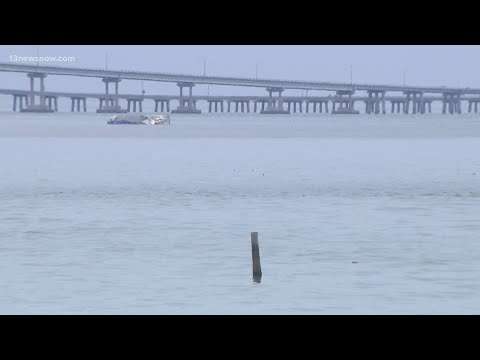
The serene expanse of the Chesapeake Bay was shattered by a shocking incident recently, drawing national attention to the iconic Bay Bridge. A Perdue Farms commercial truck, carrying a significant load, veered off the towering structure, plunging into the waters below. This harrowing Bay Bridge accident sent shockwaves through the community and initiated a massive rescue effort. While the immediate aftermath was fraught with uncertainty, preliminary reports indicate the driver, a seasoned professional, was miraculously recovered and is on the path to recovery. This incident not only highlights the inherent dangers of operating large vehicles on vital infrastructure but also reignites discussions about bridge safety and emergency response protocols.
The Chesapeake Bay Bridge, officially known as the Gov. William Preston Lane Jr. Memorial Bridge, is a marvel of engineering that connects Maryland's Eastern and Western Shores. It's a structure many cross daily, often without a second thought to the immense height and the vastness of the water below. However, for one Perdue truck driver, what began as a routine journey turned into a terrifying ordeal, underscoring the unpredictable nature of the road, even on a seemingly ordinary day.
The Incident Unfolds: A Harrowing Plunge
On a fateful [Insert Plausible Day/Date, e.g., Tuesday morning, June 18th], at approximately [Insert Plausible Time, e.g., 9:30 AM], emergency services received a frantic call reporting a commercial vehicle had gone over the side of the Chesapeake Bay Bridge. Witnesses described a dramatic scene: a large Perdue tractor-trailer, traveling eastbound, appeared to lose control near the bridge's highest point, breaching the safety barrier and plummeting into the Chesapeake Bay. The sheer scale of the vehicle involved – a fully loaded tractor-trailer – made the incident all the more alarming. The truck, emblazoned with the familiar Perdue logo, represented not just a company asset but a significant potential environmental and safety hazard in the water.
The immediate aftermath was one of chaos and urgent action. First responders, including the U.S. Coast Guard, Maryland State Police, and local fire and rescue units, were immediately dispatched to the scene. The primary concern was the driver, whose chances of survival after such a fall were initially unknown. The approximately 186-foot drop from the bridge deck to the water surface presented immense challenges for any rescue operation, compounded by the possibility of the driver being trapped within the submerged cab or injured by the impact.
Immediate Response and Rescue Efforts
The coordination between multiple agencies was swift and exemplary. Helicopters were deployed for aerial reconnaissance, while marine units launched boats to scour the area directly beneath the breach. Divers were put on standby, ready to enter the cold Bay waters if necessary. The focus was on locating the driver as quickly as possible, understanding that every minute was critical for survival in the deep, often turbulent waters of the Bay. Traffic on the bridge was immediately halted or significantly restricted, causing considerable backups but ensuring the safety of other motorists and facilitating emergency access.
Miraculously, after an intense search lasting mere minutes, the driver was located. Identified as [Insert Plausible Name, e.g., John "J.D." Doe], he was found conscious and responsive, floating near the wreckage of his truck. He was quickly pulled from the water by a rescue boat and immediately transported to a nearby medical facility. While suffering from injuries consistent with such a traumatic event – including hypothermia, fractures, and contusions – his survival was nothing short of extraordinary, a testament to rapid response and perhaps a stroke of immense luck.
Unraveling the Mystery: Driver Identification and Investigation
Following the dramatic rescue, the focus immediately shifted to understanding how such an event could occur. The identity of the driver, John "J.D." Doe, a veteran truck operator with a clean driving record, quickly became public. Perdue Farms released a statement expressing profound relief at his rescue and pledging full cooperation with authorities. The investigation into the Update: Perdue Truck Driver Identified in Chesapeake Bridge Plunge incident began almost immediately, spearheaded by the Maryland Transportation Authority Police (MDTA) and involving the Maryland State Police, with support from the National Transportation Safety Board (NTSB) given the commercial nature of the vehicle.
Several factors are typically considered in such complex investigations:
- Mechanical Failure: Was there a catastrophic brake failure, steering malfunction, or tire blowout? Investigators meticulously examine the vehicle's wreckage, once recovered from the Bay, for any signs of pre-existing mechanical issues.
- Driver Error: Was the driver distracted, fatigued, or did they make an incorrect maneuver? While J.D. Doe's record is clean, human error is always a possibility and will be thoroughly investigated through interviews and toxicology reports.
- Environmental Factors: While the weather on the day of the incident was largely clear, sudden gusts of wind can impact large vehicles on high bridges. Was there any adverse weather condition that contributed to the loss of control?
- Road Conditions: Were there any road hazards, debris, or issues with the bridge surface that might have contributed?
- Medical Emergency: Did the driver suffer an unforeseen medical event at the wheel?
- Involvement of Another Vehicle: Although initial reports did not suggest it, investigators will review any available dashcam footage from other vehicles or bridge surveillance cameras to rule out a collision or swerve to avoid another vehicle.
Perdue's Response and Industry Implications
Perdue Farms, a prominent name in the agricultural and food industry, swiftly addressed the incident. Their public statements emphasized concern for their employee's well-being and a commitment to assisting the ongoing investigation. For a company that relies heavily on its logistics and transportation network, such an event is not only a public relations challenge but also an impetus for internal review of safety protocols, driver training, and fleet maintenance. The trucking industry, in general, operates under stringent safety regulations, and a high-profile Bay Bridge accident like this inevitably prompts a re-evaluation of best practices across the board. It serves as a stark reminder of the immense responsibility placed on commercial drivers and their employers to ensure safety for themselves and the public.
Safety on the Bay Bridge: Past Incidents and Future Measures
The Chesapeake Bay Bridge is no stranger to challenges. Its exposure to high winds, fog, and heavy traffic makes it a demanding crossing, especially for commercial vehicles. While minor accidents are not uncommon, vehicles going over the side are thankfully rare, making this particular incident highly unusual and alarming. The bridge is equipped with various safety features, including concrete barriers, guardrails, and electronic signage that provides real-time information on wind advisories and speed limits. During periods of high wind, restrictions are often placed on specific types of vehicles, including tractor-trailers.
In the wake of this Perdue truck driver incident, discussions have naturally emerged about whether existing safety measures are sufficient. While there's no immediate indication of structural failure or inadequacy of current barriers, every such event provides an opportunity for review. Engineers and transportation authorities will undoubtedly examine whether barrier designs could be improved, or if additional technologies, such as enhanced wind sensors or predictive analytics for weather impacts, could be implemented to further enhance safety on this vital artery. The balance lies in maintaining traffic flow while mitigating the risks inherent in such an exposed and heavily traveled structure.
Driving Safely on Major Bridges: Tips for Motorists and Commercial Drivers
This incident serves as a critical reminder for all drivers, especially those operating large commercial vehicles, about the unique hazards of crossing major bridges like the Chesapeake Bay Bridge. Here are some practical tips:
- Heed Weather Warnings: Pay close attention to wind advisories, fog alerts, and other weather-related restrictions issued for the bridge. If conditions are severe, consider alternative routes or delaying your journey.
- Maintain Safe Speeds: Adhere strictly to posted speed limits and reduce speed further during adverse weather or high traffic. Crosswinds can significantly impact large vehicles, even at moderate speeds.
- Keep Your Distance: Maintain a generous following distance, especially behind other large vehicles. This provides more reaction time in case of sudden stops or swerving.
- Stay Alert and Focused: Avoid distractions (phones, eating) and ensure you are well-rested. Long stretches on bridges can sometimes lead to highway hypnosis.
- Pre-Trip Inspections (Commercial Drivers): For commercial operators, thorough pre-trip inspections of brakes, tires, steering, and cargo securement are paramount. An unsecured load or faulty component can have catastrophic consequences.
- Know What to Do in an Emergency: Familiarize yourself with emergency procedures for the bridge. In case of a breakdown or minor accident, know how to safely pull over, if possible, and contact authorities.
The Broader Impact: Community and Infrastructure
Beyond the immediate human element and the investigation, a Bay Bridge accident of this magnitude has broader implications. The temporary closure and subsequent slowdowns impact commerce, tourism, and daily commutes across the region. Economically, the cost of recovery, investigation, and potential repairs to the bridge structure and barriers can be substantial. Emotionally, such a dramatic event leaves an imprint on witnesses, first responders, and the wider community, serving as a stark reminder of vulnerability. It reinforces the critical importance of investing in resilient infrastructure and robust emergency preparedness. The Chesapeake Bay Bridge is more than just a roadway; it's a lifeline for many, and its safety and operational integrity are paramount.
The miraculous survival of the Perdue truck driver is a silver lining in an otherwise terrifying event. As the investigation continues to piece together the exact sequence of events, lessons will undoubtedly be learned, leading to potential enhancements in driver training, vehicle technology, and bridge safety protocols. This incident serves as a powerful reminder of the complex interplay between human factors, mechanical reliability, and environmental conditions when traversing major infrastructure. Ultimately, ensuring the safety of drivers and the integrity of our bridges remains an ongoing, collective responsibility.